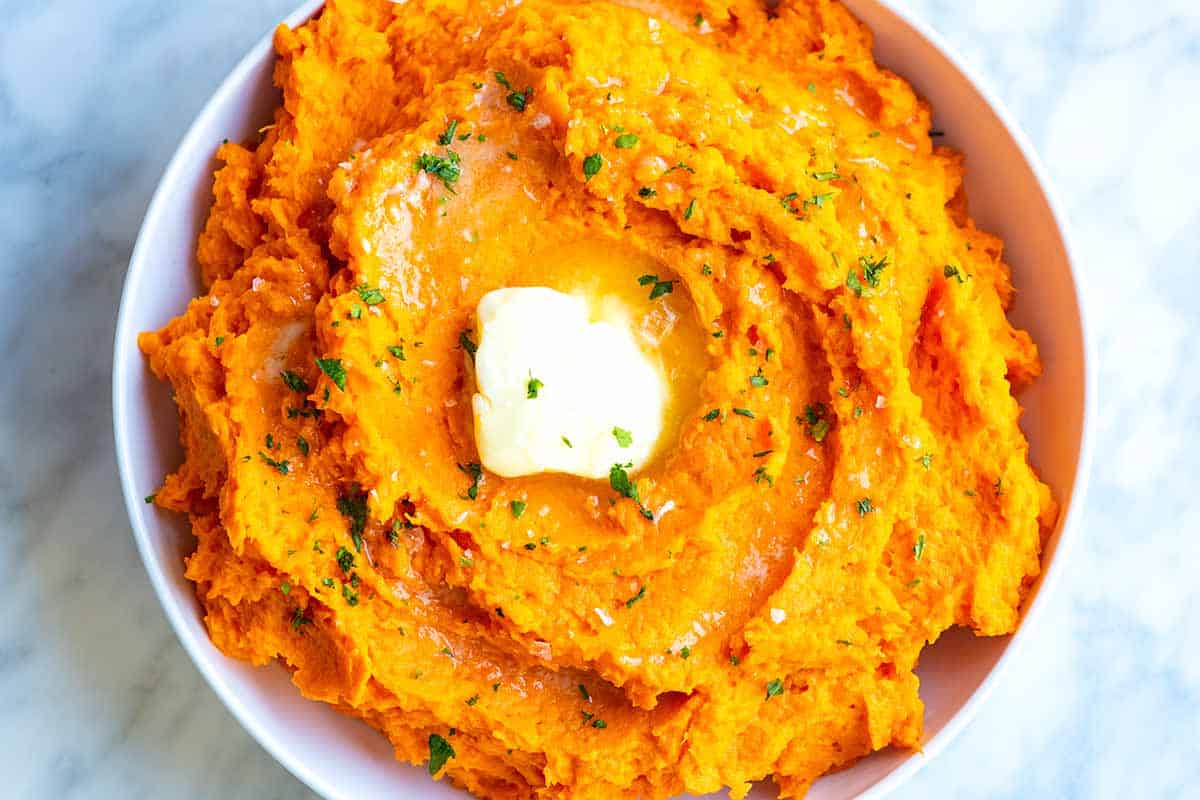
Secrets to Super Creamy Mashed Sweet Potatoes: No Stringy Mess
There's nothing quite like a steaming bowl of mashed sweet potatoes – the vibrant color, the comforting warmth, and that inherently delicious flavor. But too often, what promises to be a silky smooth side dish turns into a frustrating, stringy mess. If you've ever dreamt of perfecting your sweet potato mash, achieving that ethereal creaminess without the unwelcome fibrous texture, you're in the right place. This guide will unlock the secrets to truly easy & creamy mashed sweet potatoes in 30 minutes, transforming a simple root vegetable into a dish that's a real winner, whether for a bustling holiday table or a quiet weeknight dinner.
Mashed sweet potatoes are incredibly versatile and just as straightforward to prepare as their traditional white potato counterparts, if not more so, thanks to their naturally smoother texture. Our goal is to enhance that natural silkiness and ensure every spoonful is pure bliss. Forget the guesswork and get ready to impress with your newfound mashing mastery.
The Foundation: Selecting and Prepping Your Sweet Potatoes
The journey to perfect mashed sweet potatoes begins before you even turn on the stove. The right ingredients and initial preparation are paramount to avoiding that dreaded stringy outcome.
- Choose Wisely: Short and Plump is Best: When you're at the grocery store, pay close attention to the shape of your sweet potatoes. Opt for those that are shorter and plumper, rather than long and slender. The reason? Longer, skinnier sweet potatoes often have more fibrous strands running through them, which are the culprits behind a stringy mash. Shorter, thicker ones tend to be denser and contain less of this tough fiber, setting you up for success from the start.
- Peel and Dice for Uniformity: Once you've selected your ideal sweet potatoes, give them a good peel. While some prefer to leave the skin on for roasted sweet potatoes, for mashed, removing it is key to achieving that smooth texture. Next, chop them into uniform 1-inch pieces. This step is critical because it ensures every piece cooks at the same rate. Unevenly sized pieces will lead to some being overcooked and mushy while others remain undercooked and firm, resulting in a lumpy, inconsistent mash. Uniformity guarantees quick and even cooking, typically within 10-15 minutes.
- Season Your Cooking Water: Don't just boil your sweet potatoes in plain water – that's a missed opportunity for flavor! Instead, toss your chopped sweet potatoes into a pot with water, a generous pinch of salt, and a bay leaf. The salt not only seasons the potatoes from the inside out but also helps to break down their cellular structure, contributing to a creamier result. A bay leaf adds a subtle, aromatic depth. For an extra layer of complexity, consider swapping the bay leaf for a sprig or two of fresh thyme or rosemary. These herbs infuse a wonderful, earthy aroma directly into the potatoes as they cook.
Mastering the Cook: Achieving Perfect Tenderness (and Avoiding Wateriness!)
Cooking your sweet potatoes correctly is a non-negotiable step for achieving that desired creamy consistency. It's not just about cooking them until soft; it's about cooking them just right and then preparing them for mashing.
- Simmer, Don't Boil Vigorously: Bring your seasoned water and sweet potatoes to a gentle simmer, rather than a rolling boil. A gentler simmer helps the potatoes cook evenly without becoming waterlogged or falling apart too quickly on the outside while still firm on the inside. Cook until they are fork-tender, meaning a fork slides into them with very little resistance. This usually takes about 10-15 minutes for 1-inch pieces. Don't undercook them, or your mash will be lumpy. Don't overcook them to the point of disintegration, or they might absorb too much water.
- The Critical Draining Step: Steaming Away Excess Moisture: This is arguably one of the most crucial steps to prevent a watery mash. Once your sweet potatoes are perfectly tender, drain them thoroughly in a colander. But don't stop there! Let them steam in the colander for about 2 minutes. The residual heat will continue to evaporate any excess moisture, leaving your sweet potatoes drier and more concentrated in flavor. Any extra water will dilute your mash, making it less creamy and flavorful. This also helps in better absorption of butter and cream later.
- Mash While Hot: For the best texture, always mash your sweet potatoes while they are still warm, ideally immediately after draining and steaming. Hot potatoes are more pliable and readily absorb added ingredients like butter and cream. If they cool down too much, they can become resistant to mashing and develop a gluey or gummy texture when overworked.
The Secret to Silky Smoothness: Mashing Techniques and Dairy Magic
Once your sweet potatoes are perfectly cooked and drained, it's time for the transformation. The tools you use and the ingredients you incorporate at this stage are key to achieving either a rustic, chunky mash or an impossibly smooth, silky one.
When making easy mashed sweet potatoes, the choice of mashing tool significantly impacts the final texture:
- The Hand Masher for Rustic Charm: If you enjoy a creamy texture with some pleasing, tender bits, a traditional potato masher is your best friend. It offers control and allows you to achieve a beautiful mash that feels homemade and hearty. Mash until your desired consistency is reached, leaving some small chunks if you like.
- The Food Processor for Ultra-Silky Smoothness: For those who crave an exceptionally smooth, almost puréed sweet potato mash, a food processor is the ultimate tool. It's incredibly quick and delivers a super smooth, silky texture that's often preferred for elegant presentations or when catering to those who dislike any chunks. Be cautious, however: over-processing can activate the starches and lead to a gummy consistency. Pulse just until smooth.
Beyond the tool, the addition of dairy is where the magic truly happens:
- Warm Dairy is a Game Changer: This is a secret many home cooks overlook! Ensure your butter is at room temperature and your milk, cream, or sour cream is warm. Cold dairy can shock the hot potatoes, making them less receptive to absorption and resulting in a less integrated, often lumpier texture. Warm dairy, on the other hand, melts into the hot potatoes beautifully, creating an incredibly creamy and luxurious finish.
- Embrace Richness: As you mash, stir in good quality butter for its unparalleled flavor and richness. A dollop of sour cream or regular heavy cream adds tang and extra creaminess. For a lighter touch, warm milk can also work. For those preferring a dairy-free option, coconut milk or a plant-based cream alternative (warmed, of course) can yield excellent results.
Elevate Your Mash: Savory or Sweet, Your Culinary Canvas
One of the most appealing aspects of sweet potatoes is their natural sweetness, which makes them incredibly adaptable to a variety of flavor profiles. Whether you lean towards a savory side dish or a sweeter, dessert-like accompaniment, your mashed sweet potatoes can be a culinary canvas for your creativity. For an even deeper dive into customizing your mash, explore our guide on Sweet or Savory? Master Your Mashed Sweet Potato Flavor.
For a Savory, Everyday Mash:
While many associate mashed sweet potatoes with a sweet profile, they shine just as brightly on the savory side. This variation is perfect for pairing with roasted meats, poultry, or as a standalone side for a weeknight meal.
- Base Enhancements: Beyond the initial salt, black pepper is a must. A dash of cinnamon, even in a savory context, adds a surprising warmth without making it taste sweet.
- Herbal Infusion: Fresh herbs are fantastic here. Stir in finely chopped fresh thyme, rosemary, or chives right at the end for brightness and aroma.
- Aromatic Kick: A pinch of garlic powder or onion powder can deepen the savory notes without adding moisture. For a subtle smoky depth, try a tiny sprinkle of smoked paprika.
- Tang and Richness: A dollop of sour cream or a splash of heavy cream, combined with butter, creates an incredibly rich and tangy finish that balances the sweet potato's natural sugars.
For a Sweeter, Holiday-Style Mash:
This is the classic, beloved version that graces many holiday tables. It's comforting, warm, and feels like a special treat.
- Classic Spices: Stir in ½ teaspoon of ground cinnamon and ¼ teaspoon of nutmeg. These spices are quintessential for sweet potato dishes and evoke a festive spirit.
- Sweeteners: A tablespoon or two of light brown sugar melts beautifully into the hot mash, enhancing the natural sweetness. For an extra layer of warmth and seasonal flavor, a small drizzle of pure maple syrup is divine.
- A Touch of Vanilla: A splash of pure vanilla extract can round out the sweet flavors beautifully.
- Citrus Zest: For brightness, a tiny bit of orange zest can elevate the sweetness and add a fresh note.
- Crunchy Toppings: Consider folding in or topping with toasted pecans or walnuts for a delightful textural contrast.
Troubleshooting Common Mashed Sweet Potato Woes
Even with the best intentions, things can sometimes go awry. Here’s how to address common issues:
- Too Stringy: This usually stems from the type of potato chosen or insufficient cooking. Next time, select shorter, plumper sweet potatoes. Ensure they are cooked until very tender. If you still encounter strings, a food processor can often pulverize them, giving you a smoother result, but be careful not to over-process and make them gummy.
- Too Watery: The culprit here is almost always insufficient draining. Make sure to let the cooked sweet potatoes steam in the colander for a full 2 minutes to evaporate excess moisture. If your mash is already watery, you can try returning it to the warm pot over low heat, stirring constantly, to cook off some of the moisture, but be careful not to scorch it.
- Too Gluey/Gummy: This happens when the starches in the potatoes are over-agitated, especially with a food processor or by overworking with an electric mixer. Mash while hot, and only just enough to combine ingredients. If using a food processor, pulse rather than blend continuously. There's no perfect fix for a gummy mash, but sometimes adding a bit more warm cream or butter can slightly improve the texture.
- Not Flavorful Enough: Did you season the cooking water? Did you taste and adjust at the end? Flavor develops in layers. Ensure adequate salt from the start, and don't be afraid to taste and add more butter, salt, pepper, or spices at the mashing stage. Fresh herbs or a tiny pinch of garlic powder can also boost flavor significantly.
Serving Suggestions & Beyond
These incredibly easy mashed sweet potatoes are not just for holidays. They make a fantastic, nutrient-rich side dish for any occasion. Serve them alongside roasted chicken, pan-seared pork chops, grilled salmon, or a hearty vegetarian main like black bean burgers. For a special touch, garnish with fresh herbs, a swirl of extra cream, or a sprinkle of toasted nuts. Leftovers can be gently reheated on the stovetop with a splash of milk or in the microwave, making them perfect for meal prep. They can even be repurposed into sweet potato fritters or added to shepherd's pie for a flavorful topping.
With these comprehensive tips and techniques, you're now equipped to create the most super creamy, never-stringy mashed sweet potatoes you've ever tasted. It's a simple dish that offers immense satisfaction, proving that the best culinary secrets are often the most practical ones. Happy mashing!
